We shared so many laughs in the everyday moments, mixed in with the very real frustrations that come with being both an adult child and a mother at the same time. It was messy, funny, exhausting, and full of love—often all in the same day.
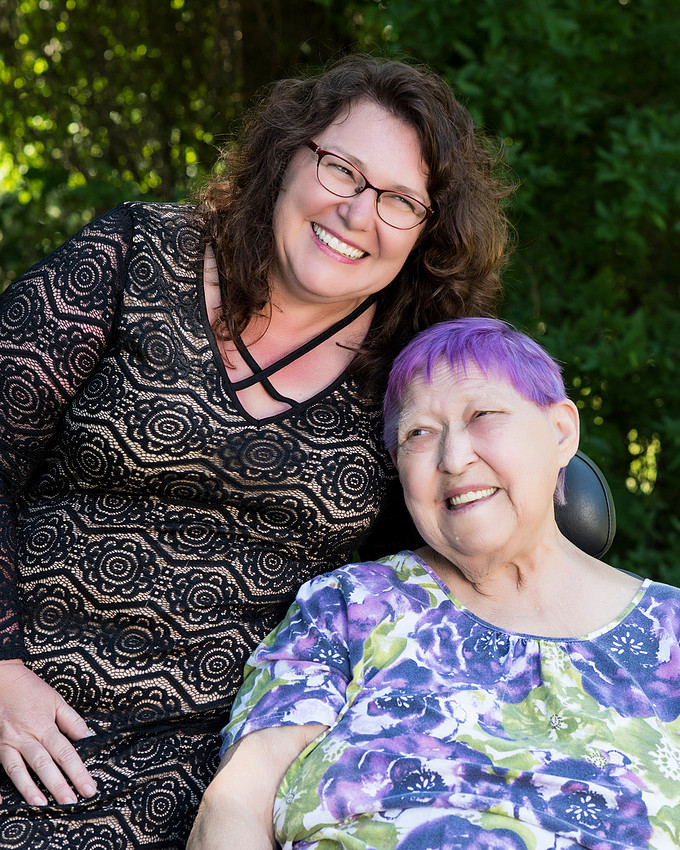
Now that all my own kids are grown, I feel that little twist of karma she used to joke about. And in the quiet moments, I miss my Momma deeply. I miss her humor, her stubbornness, her purple hair, and the way she could fill a room just by being in it.
Purple isn’t just a color anymore. It’s a memory, a legacy, and a reminder of the woman who shaped so much of who I am.
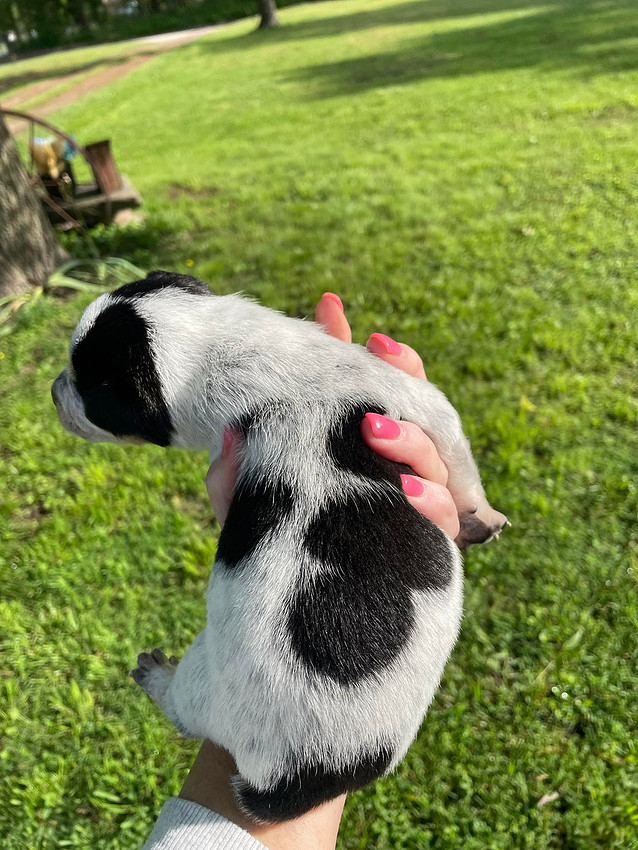
Thankfully, before I sent any money, something didn’t add up. Their page showed a beautiful backyard with snow‑covered mountains… which would have been perfectly believable if they hadn’t claimed to be in Arkansas. No snow‑covered mountains here! That was my red flag, and I backed out just in time.
Not long after, I saw a photo posted of a mama dog with a brand‑new pile of puppies born that very morning. We had mutual friends who confirmed she was real, and I messaged her right away. I told her I wanted the chubby little one with spots—the puppy sleeping right on top of the pile.
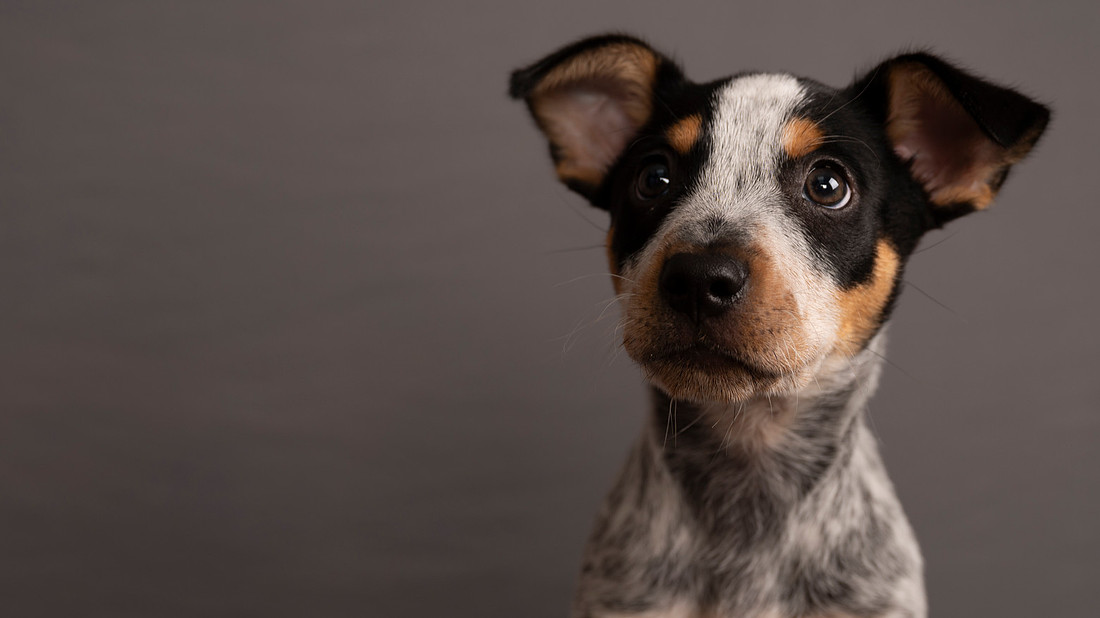
Eight weeks later, I picked up my boy Tuck, floppy puppy ears, needle‑sharp baby teeth, and all. The ears came up and we made it through the teething stage with only a few shoe losses.
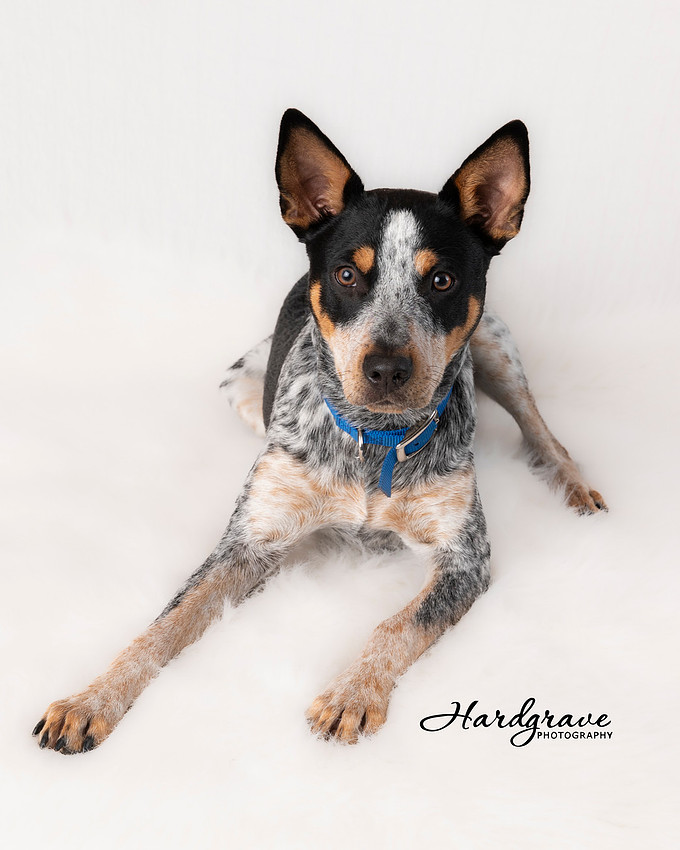
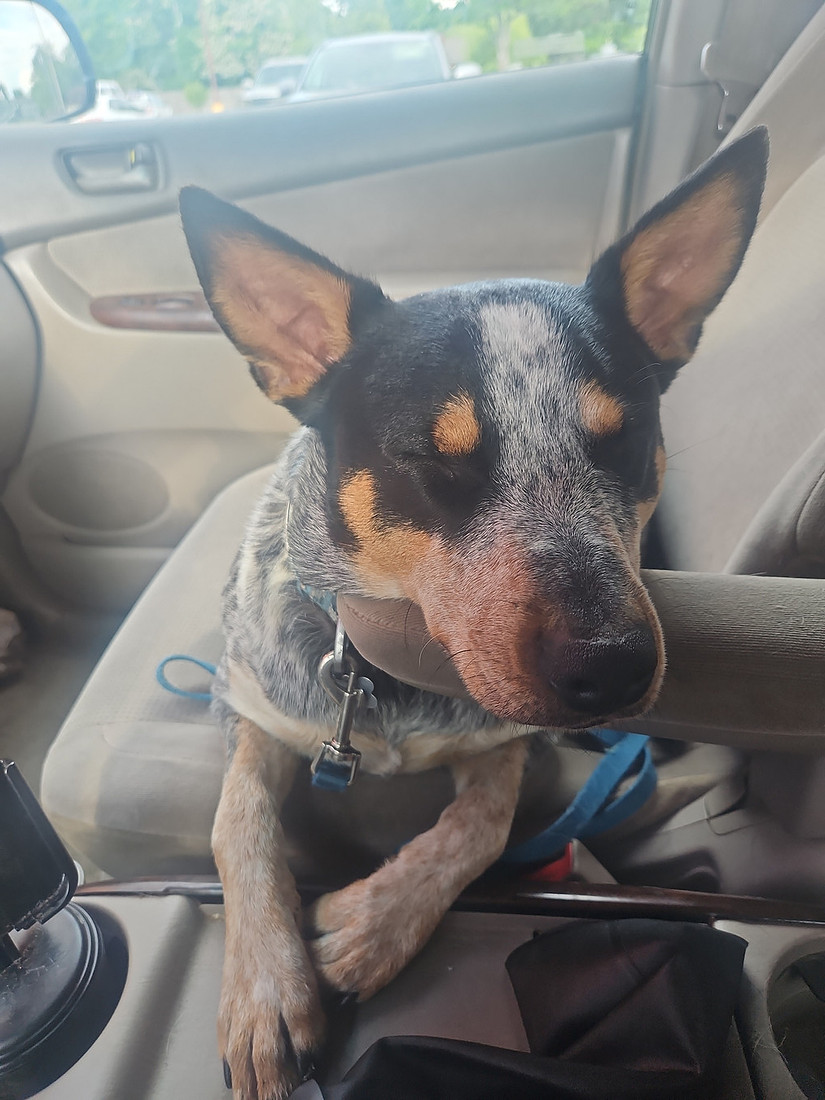
Tuck has been my almost constant companion ever since. He loves hiking, kayaking, playing with kids, wrestling with other dogs, and snuggling with Mom and Dad. He’s everything I hoped for in a Blue Heeler and more—a loyal friend, an adventure buddy, and a daily reminder that sometimes the right dog finds you in the most unexpected way
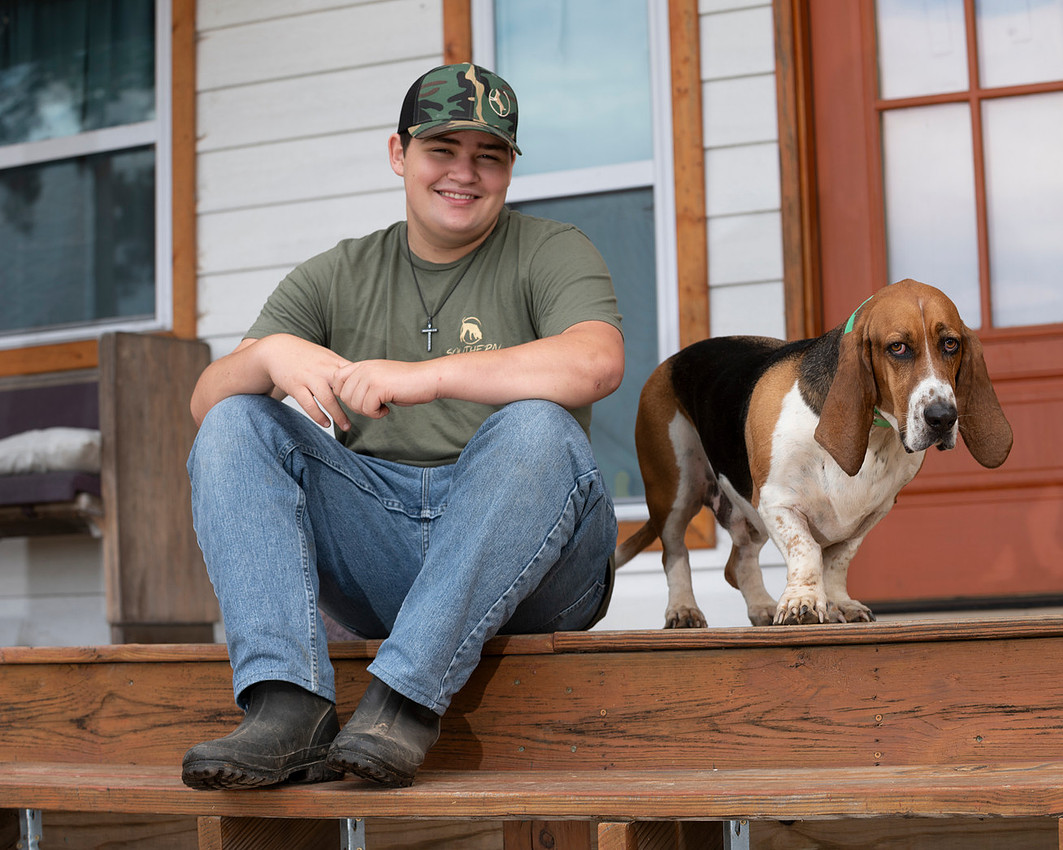
What made his portraits so special was how naturally his pets fit into the story. Nearly every setup included an animal—dogs, cows, whoever happened to wander into the frame. His connection to animals is genuine, and it shines through in every image.
We also made space for the other parts of his world. As an avid hunter, he climbed right up into his deer stand for a few shots, completely at ease in the trees. Then we moved to the log cabin built from the barn wood that once belonged to his great‑great‑grandparents—a place layered with family history and memories. On that porch, he held his Bible for a few thoughtful portraits, a nod to the sermons he’s already preached at Lee’s Chapel, named after his great‑great‑grandpa Lee Freeman.
Malaki has always had a tender, determined spirit. When he was just eight years old, he grew his hair long so he could donate it to children battling cancer. He endured plenty of pressure to cut it, but he stayed committed to his goal. That kind of heart doesn’t fade—it grows.
His senior session wasn’t just about marking a milestone. It was about honoring the young man he has become: compassionate, steady, connected to his roots, and full of quiet purpose.
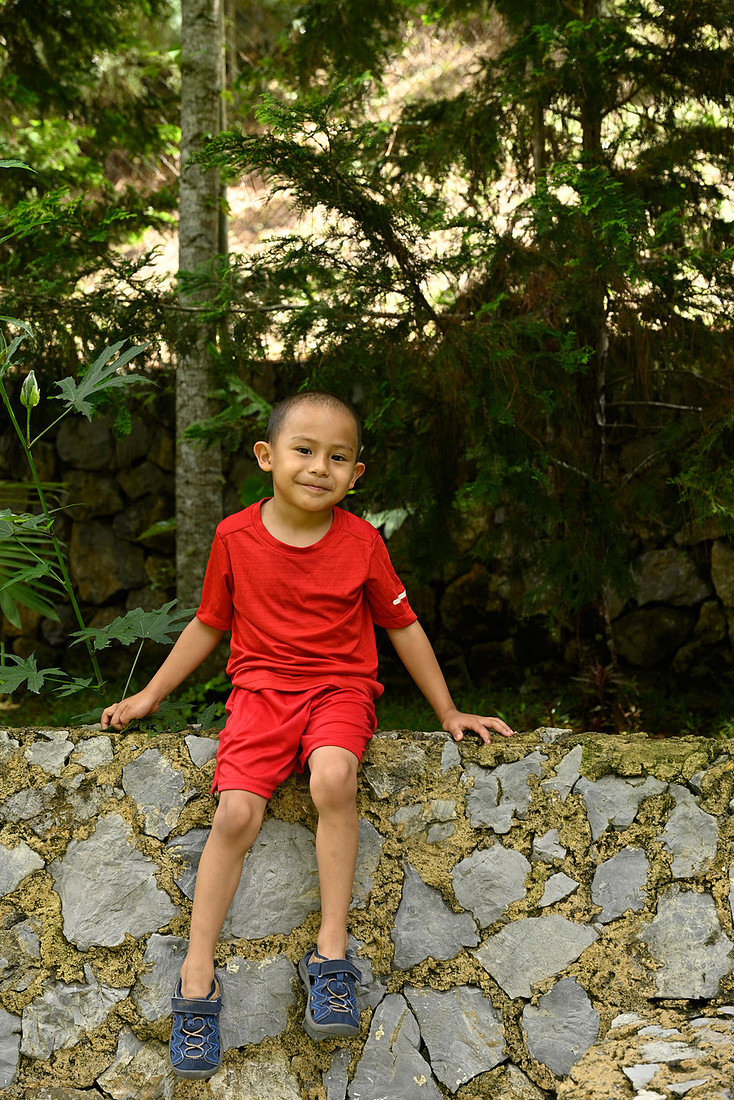
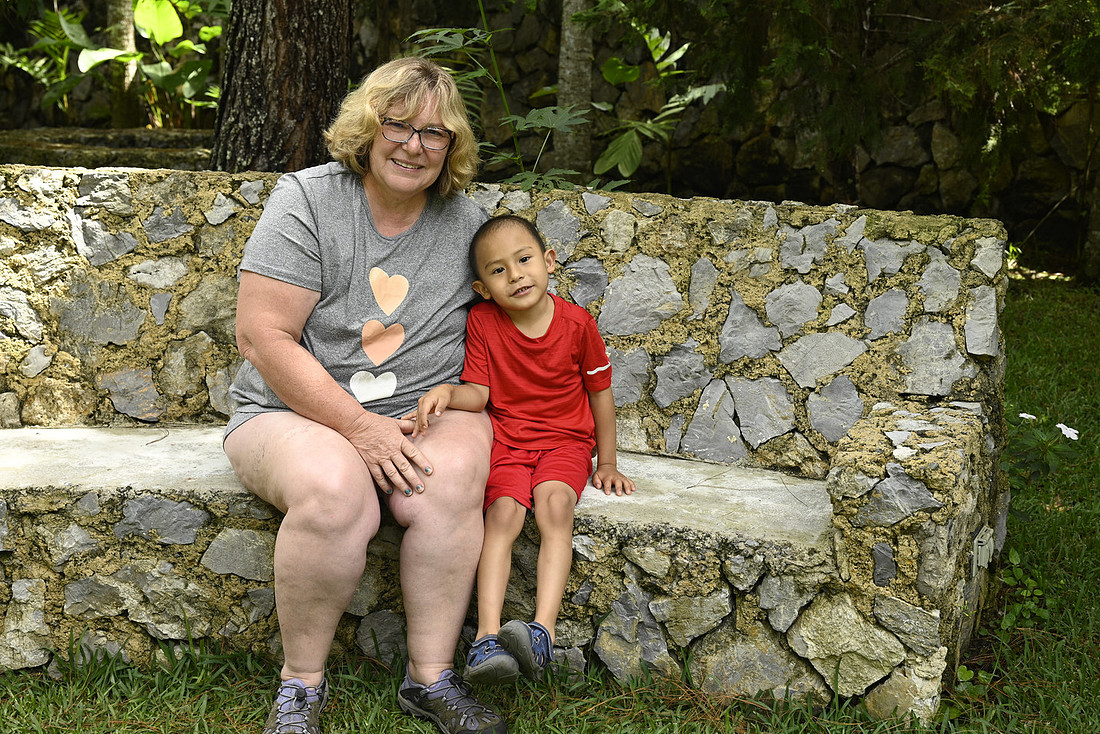
Six years ago, I found myself waiting by the phone, heart tight with worry. My daughter Yeni was in labor with her baby boy, Diego, and the world had just shut down under the weight of Covid. I couldn’t travel to Guatemala. I couldn’t sit beside her. I couldn’t hold her hand. The guilt of not being there for my daughter in such a vulnerable moment was overwhelming.
Hours later, the message finally came: baby Diego had arrived safely by cesarean, and both mamá and baby were doing well. Relief washed over me. Gratitude, too—gratitude that my daughter received the care she needed and that our sweet Diego entered the world healthy.
What I didn’t know then was that even without Covid, I still wouldn’t have been allowed to be with her. In Guatemala’s public hospitals, no one—not even the father—is permitted in the labor room. Learning this later stunned me. This outdated approach to childbirth leaves women to labor alone, without the emotional support every mother deserves.
During a recent trip to Honduras, I learned the policy is the same there. Our guide’s wife gave birth while we were visiting. He was allowed only a brief visit and couldn’t be present to comfort her or help with the baby. Hearing that broke my heart for her, and for so many women around the world who face childbirth without a support person by their side.
It makes me wonder: how many other countries still enforce these strict, no‑support policies for laboring mothers? And how can we advocate for more compassionate, family-centered care everywhere?
go to her. She would be alone. I felt so guilty not being there. I finally heard that both baby Diego and mamá were doing fine after a cesarian birth. I am so thankful that our Diego was born healthy and my daughter was able to get the medical attention she needed.
What I didn't know at the time is that even if it wasn't in times of Covid, I would not have been allowed to go in the the public hospital with her in Guatemala. As a matter of fact, not even the father can in to the labor room. This outdated system and treatment of mothers makes me nervous for women in many countries. When I was recently in Honduras, our guide's wife had her baby and the policy was the same. He was able to go see her for a few minutes but could not be there to help her with the baby or support her while she labored.
What other countries hold these strict no support system for laboring mothers policies?
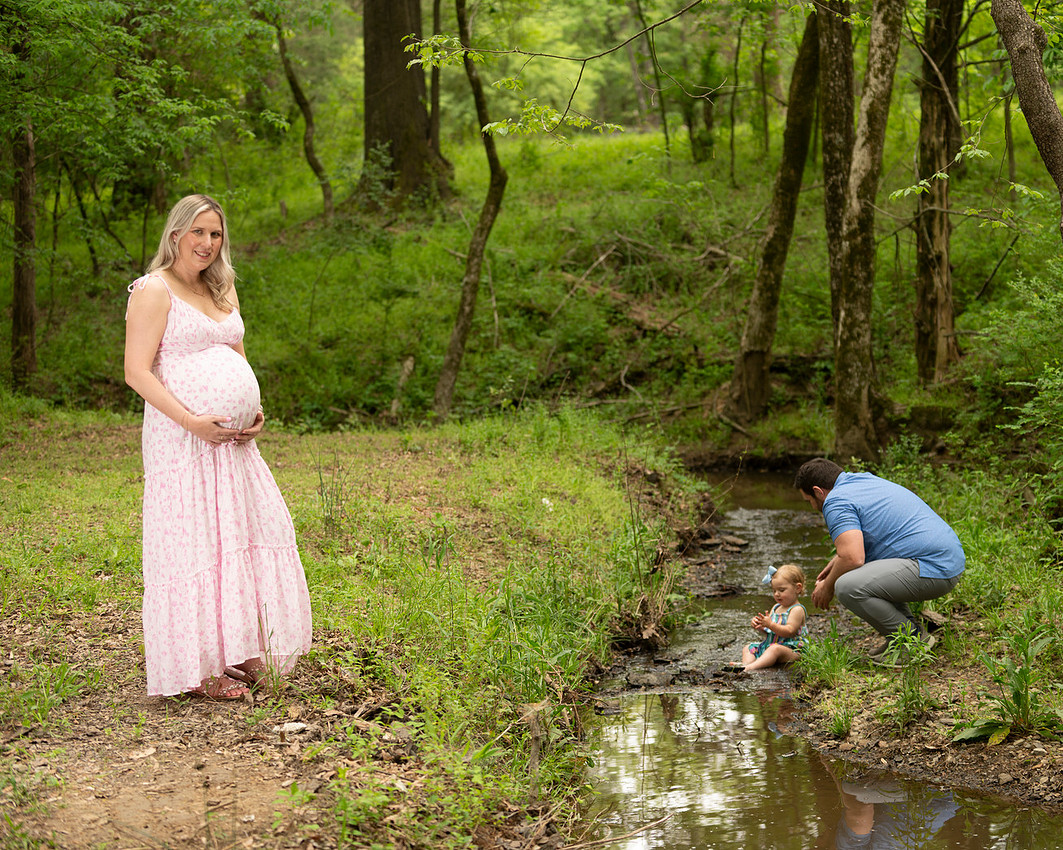
While I photographed Momma, little Rivers was busy living her best life with her daddy—splashing, exploring, and playing in the creek that winds through the property. It was the perfect snapshot of who they are as a family: one moment full of calm expectancy, the next filled with muddy hands, giggles, and the kind of joy that only comes from being outside together.
These are the sessions that remind me how beautifully real family stories unfold when everyone is simply allowed to be themselves.
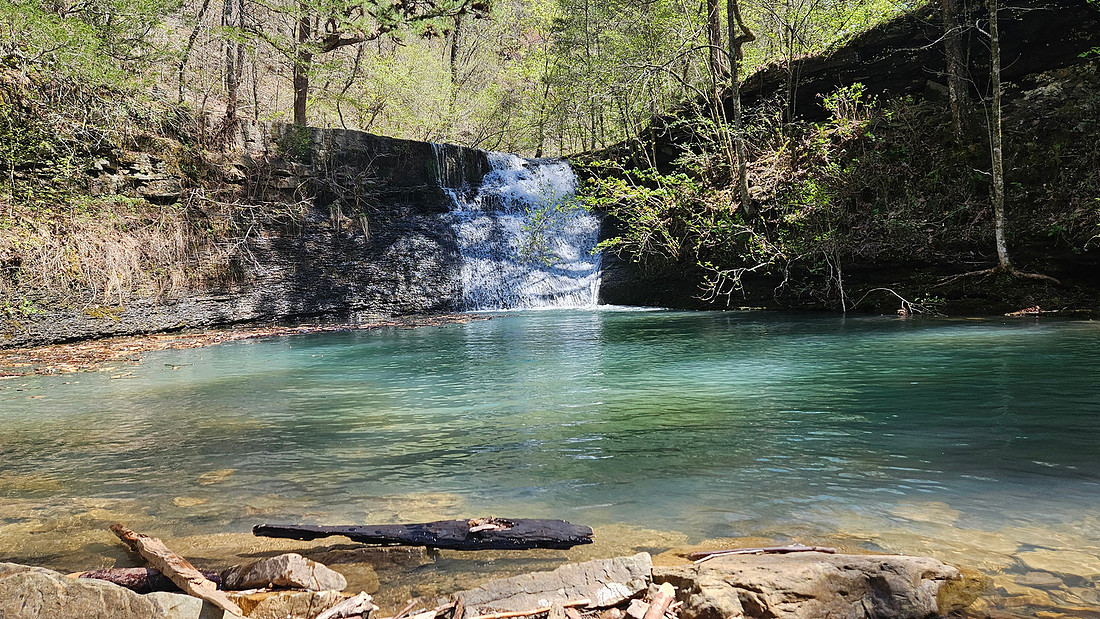
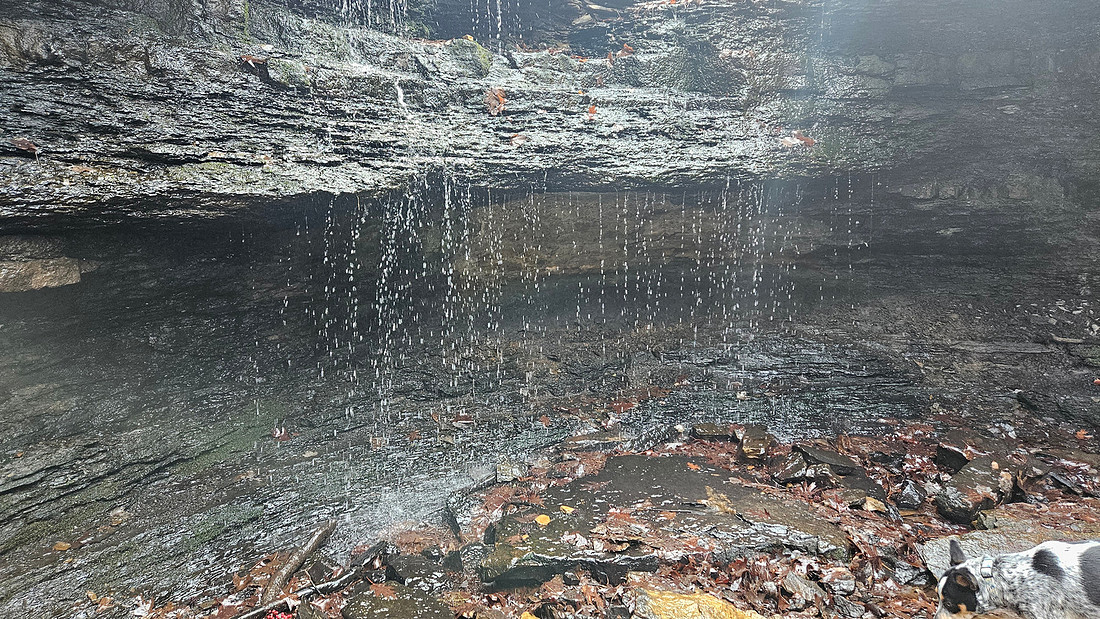
We made our way toward Stave Mills Falls with Tuck practically pulling us down the trail. He was still a puppy then, full of energy and curiosity, ready to explore every rock, leaf, and puddle. When we reached the falls, we kicked off our shoes and let the ice‑cold water wash over our feet. Then we climbed down to get a better view—one of those moments where nature feels like a deep breath you didn’t know you needed.
It was good for both of us to be out there, letting the worries of the week fall away with the sound of the water. We laughed watching Tuck fetch sticks, splash through the creek, and leap from rock to rock like it was his personal playground.
By the time we hiked back out, we were tired in the best way—and even Tuck was “tuckered out,” sleeping the entire ride home.
Sometimes the unplanned adventures are the ones that restore you the most.
On a recent trip to Honduras, I found myself having one of the most unique island experiences of my life. And no — it wasn’t at a big, glossy resort with infinity pools and curated playlists. That’s never really been my style anyway. I’ve always been drawn to places where real people live real lives, where culture isn’t packaged but simply is.
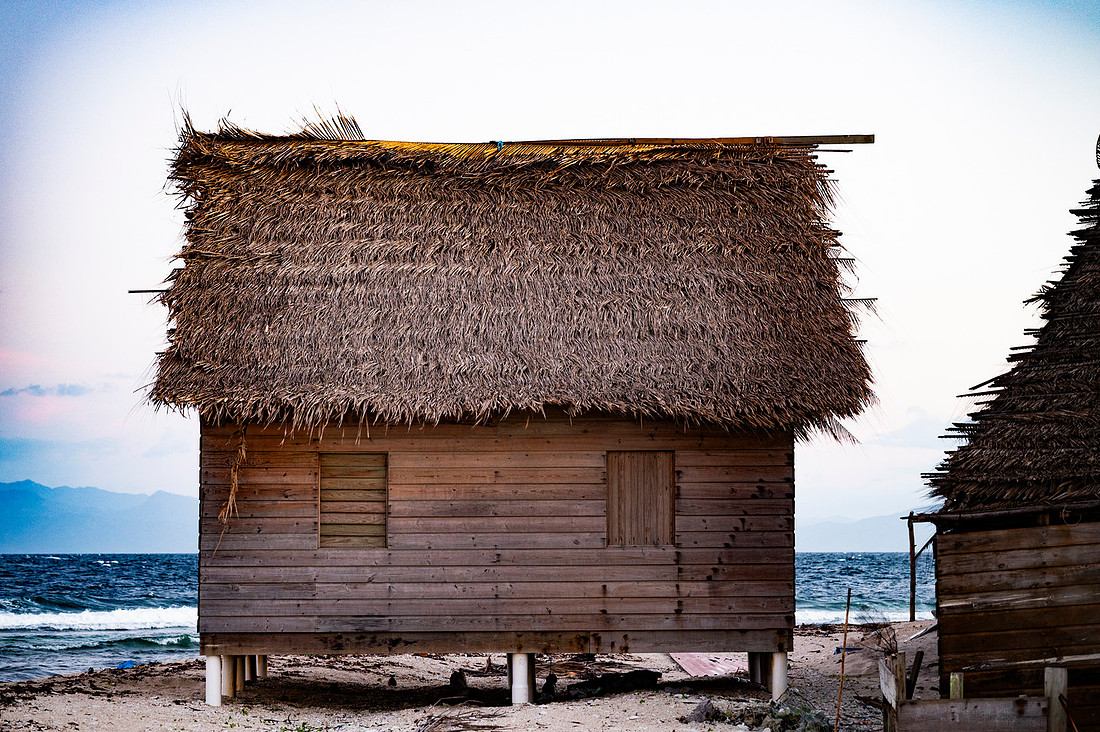
The Cayos Cochinos are a small archipelago off the northern coast of Honduras — two main islands, Cayo Menor and Cayo Grande, surrounded by thirteen tiny coral cays. Most travelers choose the larger islands. But if you know me at all, you already know I didn’t. I stayed on Chachahuate, a tiny outpost village where Garifuna fishermen live in brightly painted homes perched right on the sand. Their main community is on the mainland in Armenia, but Chachahuate is where they come to fish, laugh, raise their kids, and live life at the pace of the tides.
Getting There Was Half the Adventure
Reaching Armenia from La Ceiba was an experience all on its own. Sure, there are easier, more commercial ways to get to the islands — but we had asked for a cultural experience, and our guide delivered. He connected us with boat captains who make the trip from Armenia to Chachahuate regularly to fish.
First stop: gasoline for the boat. The “gas can” was a plastic jug sealed with Saran Wrap and a rubber band, riding in the back of the SUV with us. The fumes were… memorable. Then came seven miles of washed‑out road that felt more like driving through a dry creek bed than an actual road. Eventually we rolled into Armenia Bonito — a village of about 3,000 people and 300 homes.
Most families there live on less than $3,500 a year. Many homes are cinder block with tin roofs, outdoor toilets, and limited electricity. Others are made of sticks and mud with thatched roofs. Some have cement floors; others are simply packed dirt. It’s humbling to see how people build full, beautiful lives with so little.
Crossing the Caribbean
We tossed our backpacks into Roberto’s boat and headed out across the most stunning turquoise water I’ve ever seen. As Chachahuate came into view, the bright white sand glowed against the sea like a promise.
Our hut had limited electricity and no running water — but that night, with zero light pollution, the stars felt close enough to touch. I walked the entire island in ten minutes. Kids played with toys they’d made from washed‑up trash: a five‑gallon oil tub turned into a sled, seashells turned into games. They laughed, invented stories, and made magic out of what the ocean offered. It was beautiful… and a reminder of how much waste we all contribute to those same waters.
Morning With the Fishermen
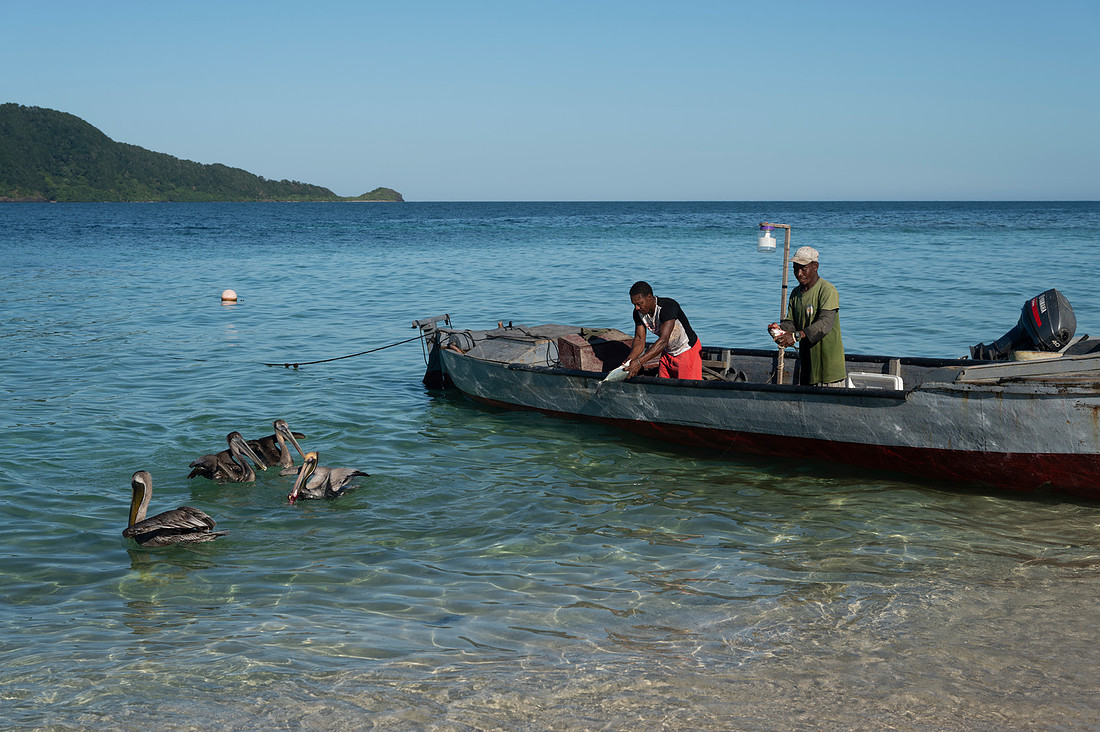
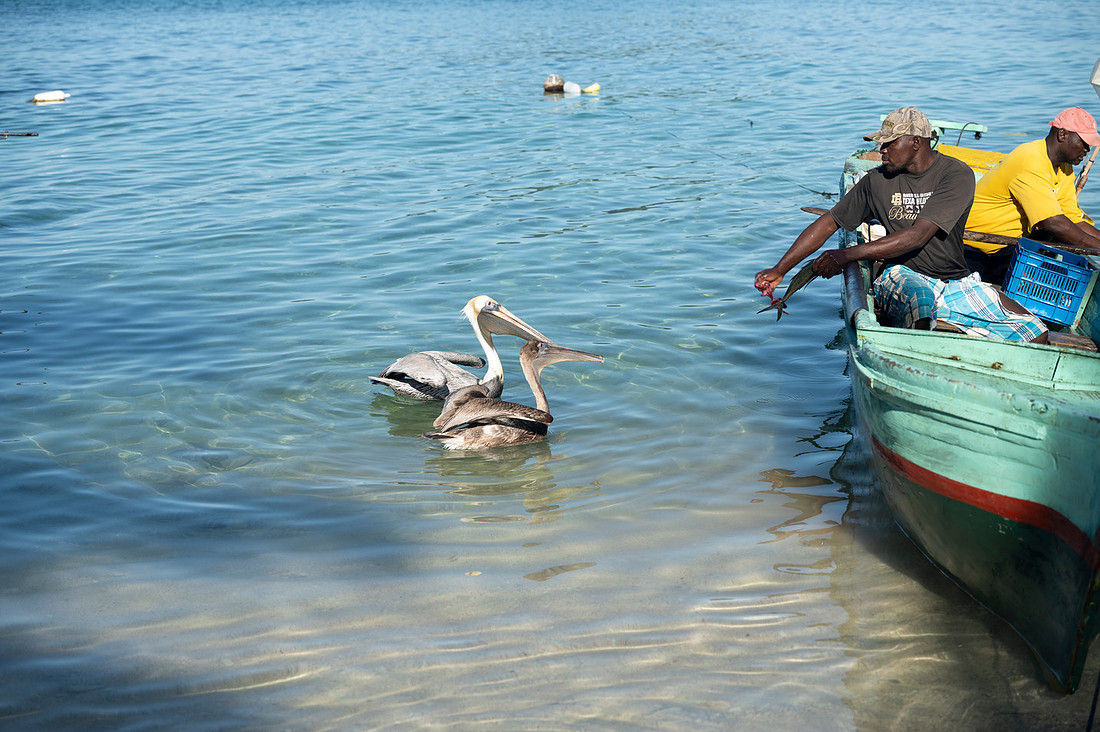
At sunrise, I wandered down to watch the fishermen return with the day’s catch. Their Garifuna‑accented Spanish carried across the water — laughter, teasing, stories from the night. As they cleaned the fish, pelicans gathered in a feathery crowd, waiting for the scraps they knew were coming.
It was such a simple moment, but it felt like a gift — one I never would have seen from a resort balcony. All the uncomfortable parts of the journey melted away in that morning light. What stayed with me was the warmth of the people, the rhythm of their lives, and the privilege of being welcomed into their world, even briefly.
]]>
We followed Spring Lake Road for what felt like miles, the kind of dirt road that makes you slow down and notice things. Along the way, we stopped at old homesteads, snipped a few blooms from a Bridal Wreath bush, and took photos whenever something caught our eye. It was one of those meandering journeys where the getting‑there is half the fun.
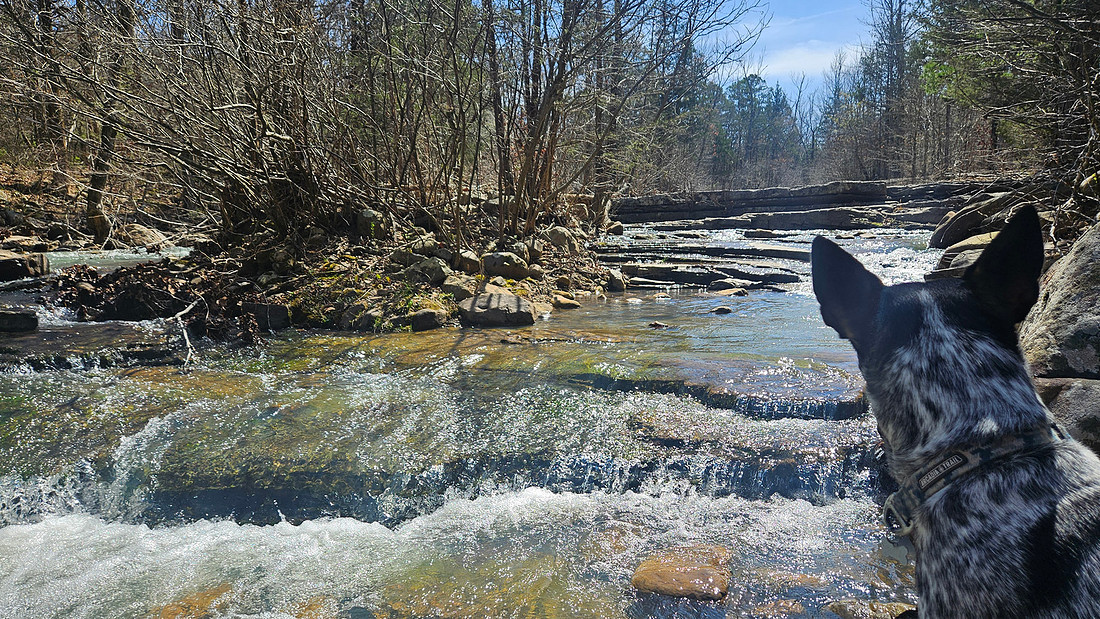
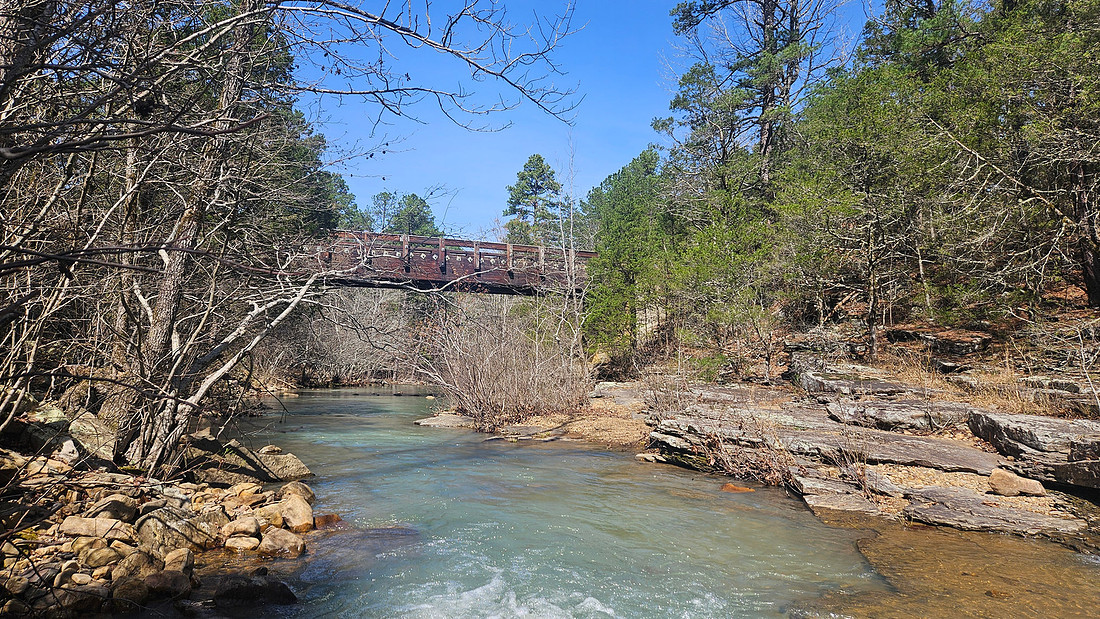
Then we rounded a bend, crossed a narrow one‑lane bridge, and suddenly—there it was. Big Shoal Creek Cascade. Layered rock slabs stretched out like nature’s staircase, with water spilling gently over each ledge. Butterflies danced in the sunlight, treating the whole place like their personal playground. Tuck chased a few (as he does), then hopped from rock to rock with me until we’d captured every angle we wanted.
It was one of those unexpected stops that ends up becoming the highlight of the day.
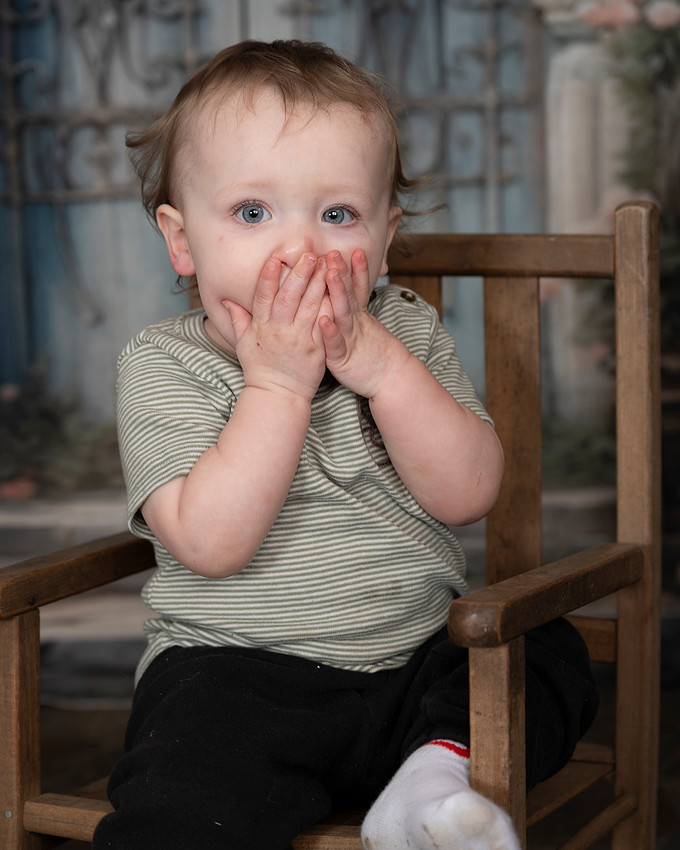
By the time we wrapped up—after capturing more wonderful images than I could ever narrow down easily—he was ready to head out. But not before tossing me the biggest goodbye kiss, sealing the end of his Baby Plan year with pure Brayden charm.
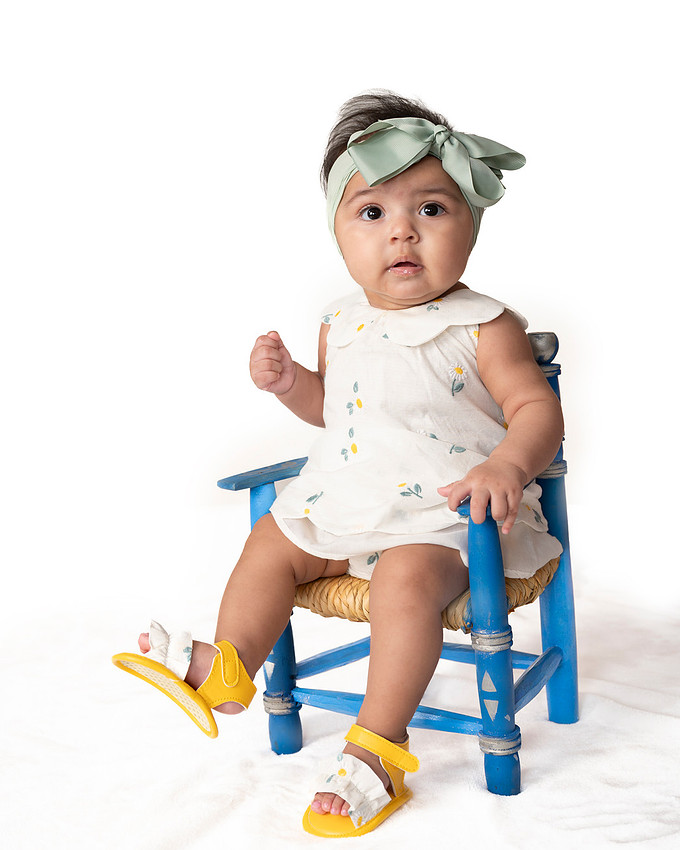
Her daisy‑patterned white dress was the sweetest complement to this classic high‑key setup. The soft florals, the mint bow, the bright background… everything came together to highlight her gentle expressions and that spark of personality already shining through. Portraits like these become more than photographs; they become touchstones. Years from now, her family will look back and remember not just how little she was, but the love and craftsmanship woven into that tiny chair and the moment it helped create.
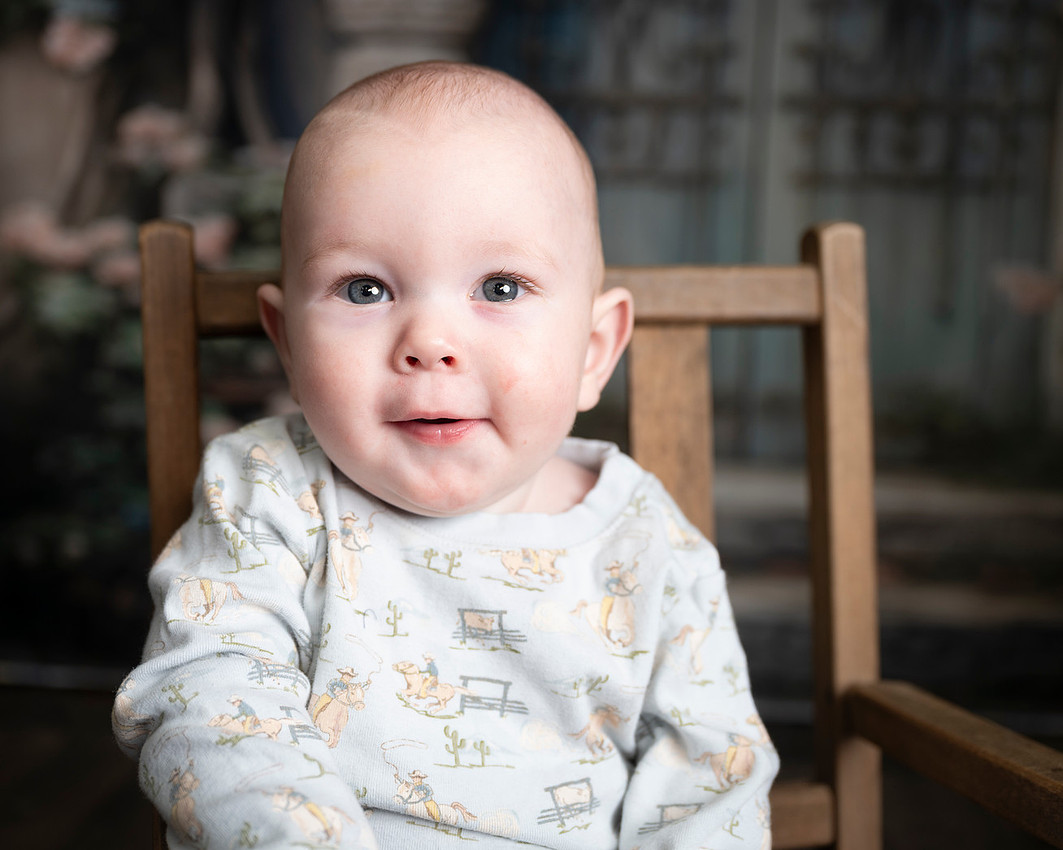
There’s something magical about the moment a child lets their guard down and beams right at you. Ezra’s grin lit up the whole session.
Before we left, I told the kids they wouldn’t need their jackets, and if they insisted on bringing them, they’d have to carry them themselves. I was not going to be the pack mule for abandoned jackets once they got hot. With brand‑new hiking shoes, a backpack full of snacks and water, and Tuck (my dog) practically vibrating with excitement, we set off.
When we reached the waterfall, the shoes came off and the splashing began. That’s also when Dovie started dragging her jacket, so—of course—it ended up in my backpack anyway. An hour later, we reached the creek crossing, and the kids were ready to play again. On a warm February day, they begged to swim. I fussed and told them to only wade, not get soaked.
And then it happened.
Reid slipped and fell right into the water. He was drenched, and I was grumbling. We put our boots back on and started crossing the creek on the dry stones. The three kids and the dog made it across easily. Then it was my turn. I stepped on a loose rock, lost my balance, and fell flat on my back into the creek.
I was soaked from head to toe—but thankfully unhurt. The jacket I swore I wouldn’t carry cushioned my fall. After I reassured everyone that I was fine, we all burst into laughter.
There’s something humbling about moments like that. Maybe it’s good for my grandkids to see that “Ábu” can make mistakes, laugh about them, and keep going. Honestly, I think that’s part of the adventure.
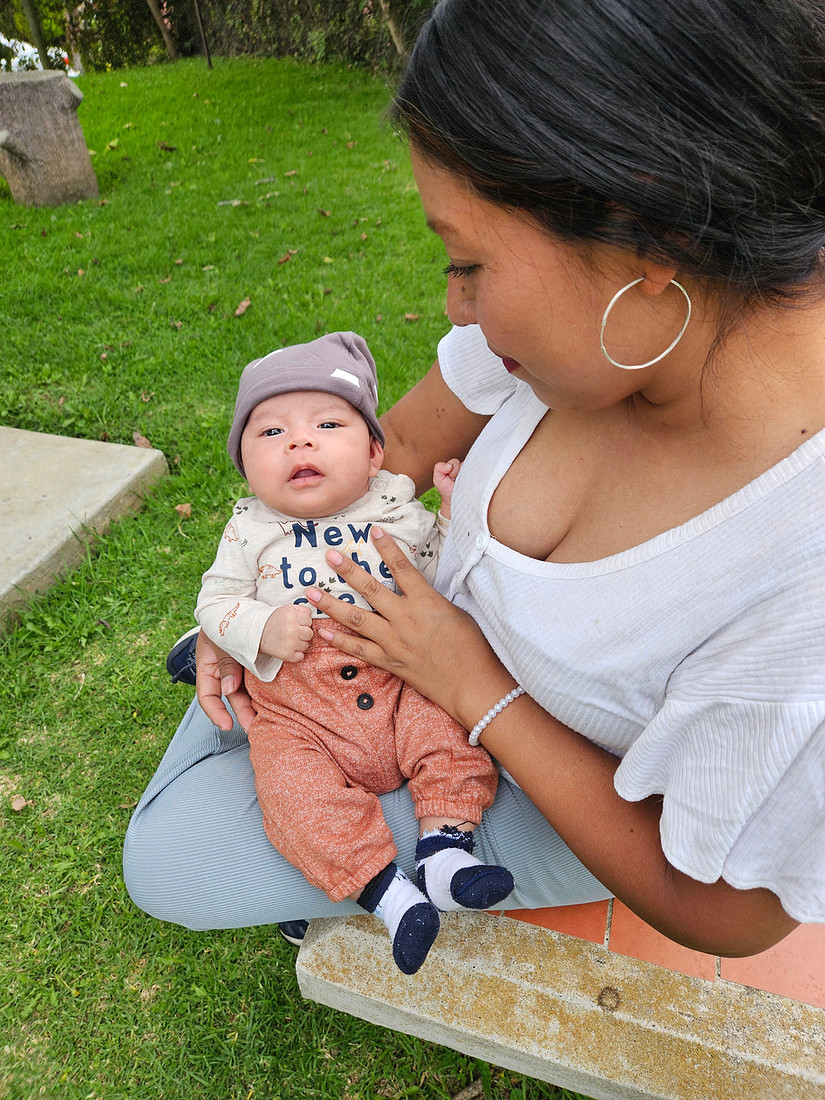
Feliz cumpleaños, Jeaneth, Keysha - 12 y Santi - 2. Qué bendición tan grande tenerlas en mi vida.
]]>
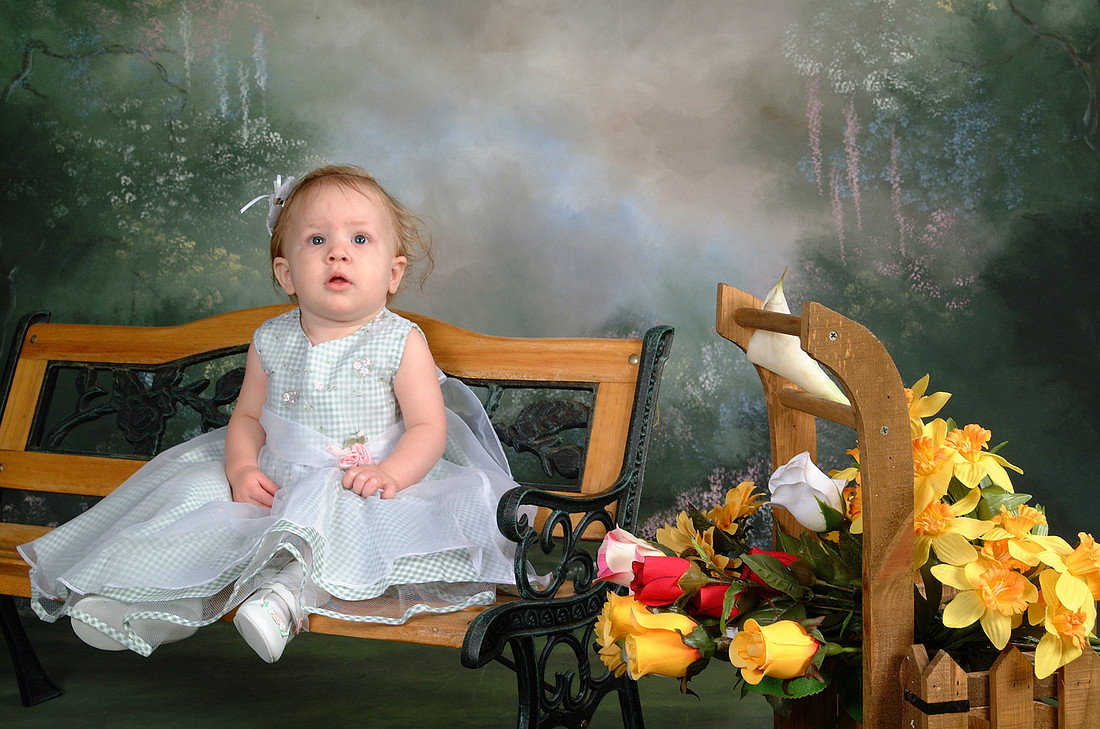
When I first stepped into the world of photography back in 2000, I had the sweetest advantage a new photographer could ask for—two brand‑new babies in the family, born just six months apart. They became my first practice models, tiny muses who helped me learn light, patience, and the art of capturing a moment before it slipped away.
Today, one of those babies is celebrating her birthday: Skylar.
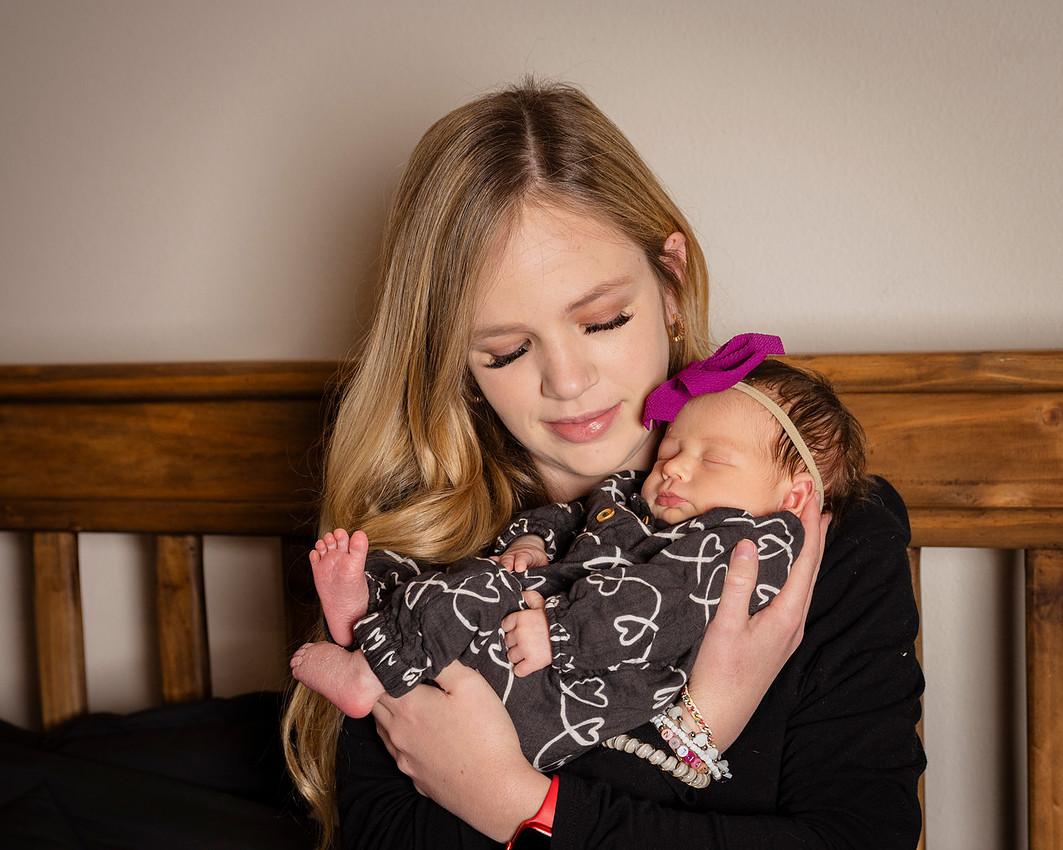
Photographing her throughout her life has been one of those unexpected gifts that comes with doing what I love. I’ve watched her grow from a bright, curious little girl into a brilliant woman, and now I have the joy of photographing her own precious baby girl, Joplyn. There’s something incredibly special about seeing the next generation in front of my lens—like watching time fold in on itself in the most beautiful way.
Skylar has always been whip‑smart, and she’s now working toward her doctorate while juggling motherhood, marriage, and a career that makes a real difference. She manages a respite program for parents of children with special needs, giving families a few hours of rest each month—something that matters more than most people ever realize. And while she may have the strongest Arkansas accent I’ve ever heard, she also has one of the kindest hearts I know.
Happy Birthday, Skylar. Watching your story unfold has been one of the joys of my career, and seeing you become the woman—and mother—you are today is a blessing I don’t take lightly.
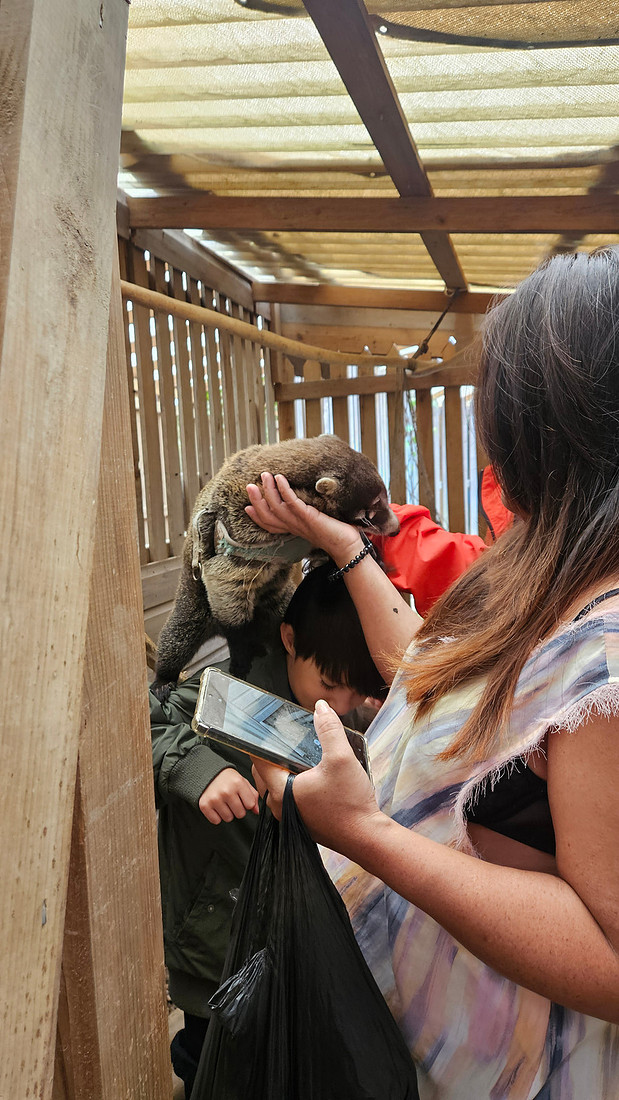
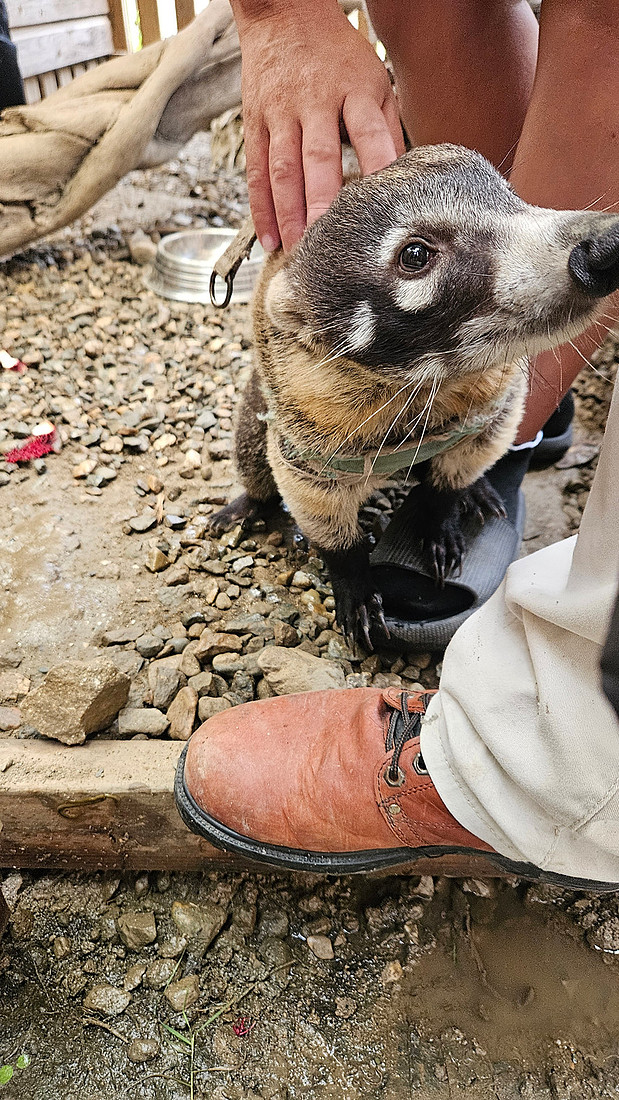
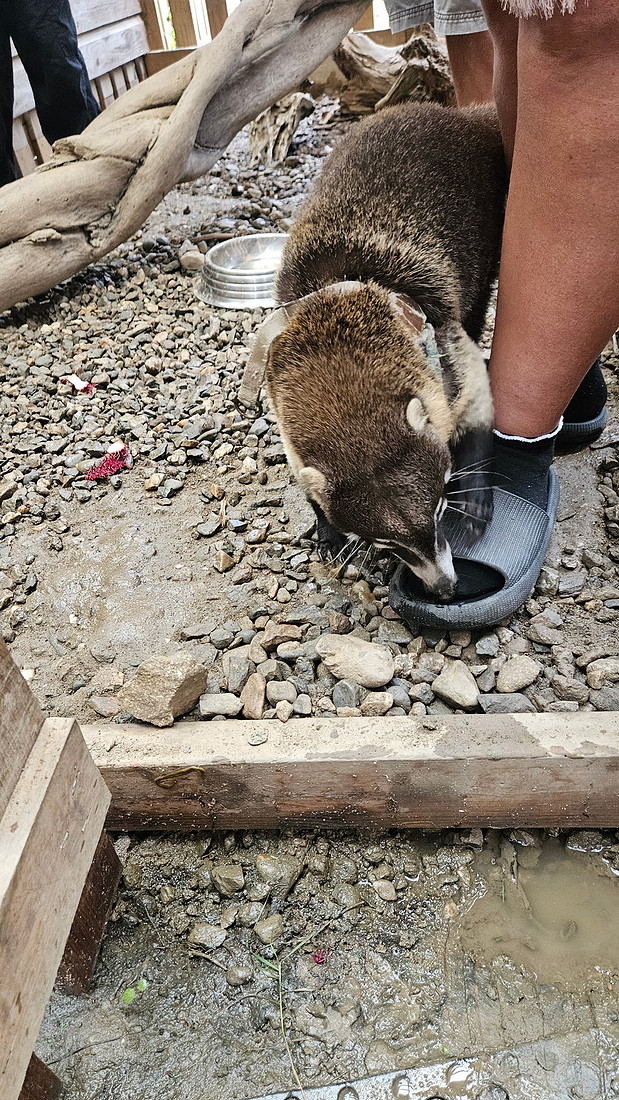
Meeting a pizote was never on my travel bingo card, but Honduras has a way of surprising you in the best possible ways. I’d read about these curious little creatures in La mansión del pájaro serpiente by Virgilio Rodríguez Macal, but seeing one in person felt like stepping into the pages of the book.
Our guide, Miguel from Coco Cabañas in El Triunfo de la Cruz, told us that his family often takes in orphaned or injured wildlife they find nearby. They raise each animal with the hope of releasing it back into the wild once it’s strong enough. Most of the time, that dream comes true.
But this baby pizote had a different path. He never fully adapted to life on his own, so he now lives at Tela Marine, a local wildlife education center where he can be cared for safely. Miguel and his family took us to visit him, and the moment he spotted them, he lit up—full of excited chirps, wiggles, and pure joy. He happily munched on bananas and leche fruit while soaking up all the affection.
It was one of those small, unforgettable travel moments that stays with you—a reminder of how deeply people can care for the wild creatures that share their home.
When I realized I’d be spending so much time in Northwest Arkansas, I decided I wanted to learn a Latin dance—any Latin dance. I didn’t know the difference between salsa, bachata, or merengue, but I did know I’ve always loved to dance. So I showed up at a free event on the Bentonville Square hosted by NWA Bachata Beats… and I was instantly hooked.
Stepping Into a New Community
The dance community in NWA is something special. The first social I ever went to was at Record in downtown Bentonville, and I almost didn’t walk through the door. I felt like the “older” beginner with questionable rhythm and even fewer skills. What if no one wanted to dance with me? What if someone did want to dance with me?
But I took a breath and went in anyway. I didn’t know a soul, though I recognized a couple of faces from Level 1 class. I did the hour‑long lesson, smiled through the nerves, and fully intended to sit down afterward and watch the “real” dancers glide across the floor. Before I could even reach a chair, someone asked me to dance. Then another. And another. I danced for another hour and walked out feeling lighter, braver, and genuinely happy.
Growing, Learning, and Belonging
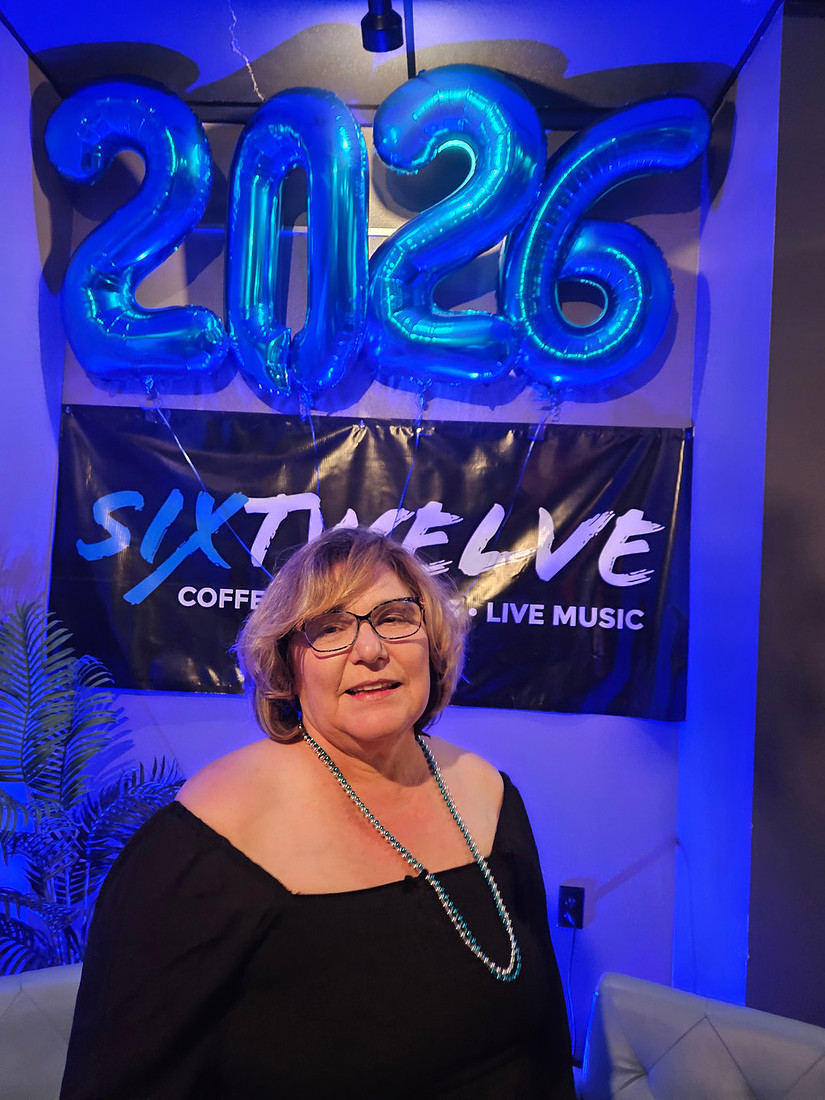
Soon I started going to Six Twelve Coffee on Sunday nights. En Fuego teaches Latin dance styles that change every month, which means I’m constantly learning—new steps, new rhythms, new ways to move. Even better, I’m meeting more and more people who love dance just as much as I do.
The socials are safe, welcoming, and full of people who show up simply to dance. Men, women, beginners, advanced dancers—everyone is there for the joy of it. Mark has come with me to a few socials, but dancing just isn’t his thing. Still, he encourages me to go, have fun, and enjoy something that brings me so much happiness.
 ]]>